
Effective Communication: The Most Vital Tool an Officer Can Possess
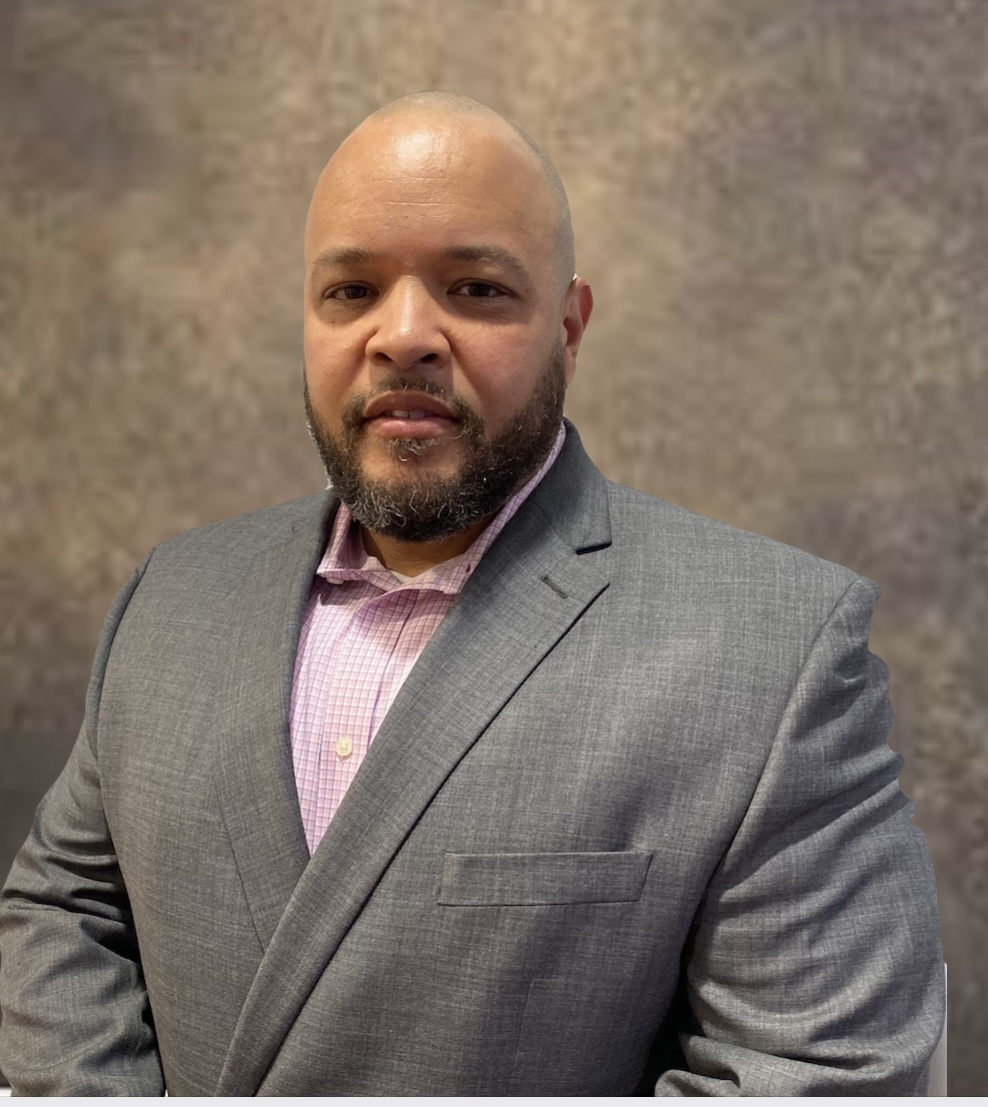

When I graduated from the Federal Law Enforcement Training Center (FLETC) in 1992, the tools I was issued were handcuffs, a .38 revolver, a police radio, and a small can of pepper spray.
Two years later, when I graduated from the Prince George's County Police Department Academy, I received essentially the same equipment, plus a shiny wooden nightstick.
At the time, I thought I was fully prepared for anything. Like many young officers, I took pride in my equipment and the tactical training I received to know how to use it. Before every shift, I would check my duty belt in the mirror to make sure everything was exactly where it needed to be. My fellow “rookies” and I spent countless hours practicing defensive tactics, weapon retention, and officer survival skills.
What we didn't spend much time learning was effective communication.
Looking back, I realize that the most valuable tool I would carry throughout my career wasn't on my duty belt at all.
As a patrol officer, I learned that many situations could be resolved through conversation before they ever escalated into confrontation.
As a homicide detective, I discovered that some of the most important breakthroughs in investigations came from listening more than talking. Witnesses, victims, and even suspects often shared critical information when they felt heard, and realized I was making an attempt to understand their point of view. They felt respected.
Over time, I learned that active listening, paraphrasing, and asking thoughtful questions were just as important as any tactical skill I possessed.
Now, more than 34 years later, as Chief of Police for one of the nation’s largest water utilities, I often speak with officers under my command and officers from neighboring jurisdictions who are interested in adding more tools to their vests and duty belts. New equipment and technology certainly have their place, but I value the opportunity to remind them that one of the most effective tools they can develop doesn't require additional space on their vest.
The ability to communicate effectively can often prevent situations from escalating to the point where force options or impact weapons become necessary.
Strong communication skills help officers gain compliance, build trust, gather information, build relationships, and de-escalate tense encounters before they become physical confrontations. In many cases, the better an officer communicates, the less likely they are to need the many tools hanging from their belt.
One of the reasons communication is such a powerful tool is that its value extends far beyond police work. While it is essential to being an effective law enforcement officer, it's just as important in our personal lives. Whether we're talking with our spouse, children, friends, coworkers, or neighbors, communication plays a role in nearly every interaction we have.
Unlike the tools on our duty belt that we may only use occasionally, communication is a tool we use every single day—often from the moment we wake up until we go to bed. The ability to listen, understand, and communicate effectively helps us build stronger relationships, work through disagreements, earn trust, and connect with others. That's what makes communication unique—it's one of the few tools that can make us better officers and better people at the same time.
As I moved into leadership roles as a supervisor, commander, and eventually Chief of Police, that lesson became even more evident. Whether leading employees, addressing community concerns, or working through organizational challenges, success often depended on understanding different perspectives and communicating clearly.
Throughout my career, I have seen effective communication de-escalate tense encounters, strengthen relationships, and build trust. I've also seen situations become unnecessarily difficult because people were focused on responding rather than listening.
The reality is that most people won't remember the equipment we carry or the authority we possess. They will remember how we treated them. They will remember whether we listened, whether we were respectful, and whether we genuinely tried to understand their concerns.
The tools on an officer's belt are important, and there may be times when they are needed. But after more than three decades in law enforcement—as a patrol officer, homicide detective, investigator, commander, and chief—I can say with confidence that the most effective tool I have ever used is communication.
It's the one tool that helps us gather information, resolve conflict, build trust, and, in many cases, keep everyone safe. More than any piece of equipment we carry, effective communication remains the most vital tool an officer can possess.
If I could go back and give my younger self one additional tool in 1992, it wouldn't be another weapon, impact device, or piece of equipment. It would be a greater understanding of how to listen, communicate, and connect with people. That's the tool that has served me best throughout my career, and it's the one I encourage every officer to develop.


Comments